





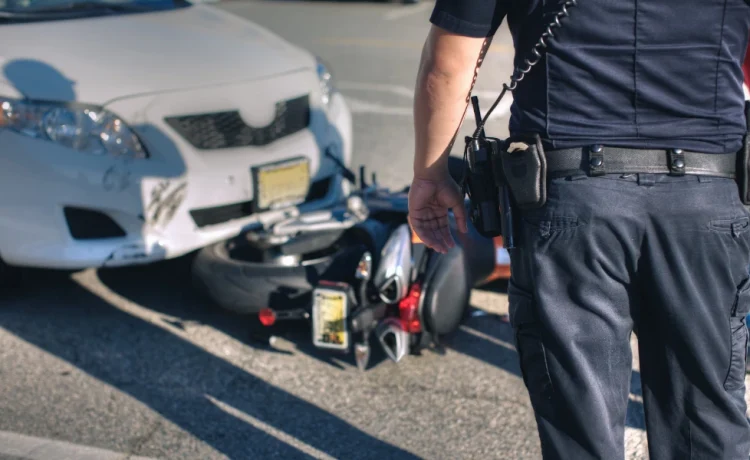
A motorcycle accident is far more likely to cause serious harm than a typical car crash. Riders have no steel frame, no airbags, and no crumple zones – only a helmet and protective gear standing between them and the pavement. Yet despite suffering the most severe injuries on the road, motorcyclists face some of the highest rates of insurance claim denial. Understanding why claims get rejected is the first step toward protecting your rights as an injured rider.
Does “Biker Bias” Really Affect Motorcycle Claims?
Unfortunately, yes. Rider bias is one of the biggest hidden obstacles in motorcycle injury cases. Insurance adjusters, jurors, and even police officers sometimes assume motorcyclists are reckless thrill-seekers who “assumed the risk” by riding. Adjusters exploit this stereotype to argue the rider was speeding, weaving, or riding aggressively – even when the evidence points squarely at a negligent driver who failed to yield or drifted into the rider’s lane.
Overcoming this prejudice takes evidence, not arguments. Photographs, dashcam footage, witness statements, and professional accident reconstruction can objectively establish speed, lane position, and reaction time, replacing stereotypes with facts.
What Insurance Tactics Lead to Denied Motorcycle Claims?
Insurers deny or devalue motorcycle claims using a familiar playbook:
- Blaming the rider. In contributory negligence states like Alabama, an insurer that convinces a court the rider was even 1% at fault can defeat the entire claim – a devastating rule for motorcyclists.
- Disputing visibility. Adjusters argue the rider was “impossible to see,” shifting fault away from the driver who violated the right of way.
- Questioning injuries. Because catastrophic injuries like road rash, spinal damage, and traumatic brain injuries are expensive, insurers demand independent medical exams and comb through records for pre-existing conditions.
- Using the helmet argument. Where a helmet law applies, insurers claim non-compliance caused or worsened head injuries, even when the injuries had nothing to do with helmet use.
Each tactic is designed to create a liability dispute that pressures injured riders into accepting a fraction of what their claim is worth.
What Evidence Wins a Motorcycle Accident Case?
Strong claims are built on documentation gathered early. The police report, scene photographs, helmet and gear damage, ECU or GPS data from the bike, and prompt medical records all matter. Road conditions matter too – road hazards like potholes, loose gravel, and faded lane markings cause or contribute to many single-vehicle motorcycle crashes. When a dangerous roadway is to blame, a public entity may share liability, and it’s worth reading about whether you can sue the government for road defects that caused your crash.
Medical documentation is equally critical. Follow every treatment recommendation, attend every appointment, and never minimize your symptoms to providers. Gaps or inconsistencies in treatment records are among the first things adjusters cite when issuing an insurance claim denial.
When Should You Contact a Motorcycle Accident Lawyer?
Immediately – ideally before you give any statement to an insurance company. An experienced motorcycle accident lawyer understands both the physics of motorcycle crashes and the prejudices riders face. Your attorney can preserve evidence before it disappears, retain accident reconstruction experts, handle all adjuster communications, and accurately value damages that include medical bills, lost wages, motorcycle repair or replacement, disfigurement, and pain and suffering.
Timing and location also matter legally. Alabama, Florida, and Georgia generally give injured riders two years to file suit, while Mississippi’s deadline is three years. Fault rules diverge just as sharply across the region: Alabama’s contributory negligence rule can erase a claim over 1% of fault, Georgia cuts off recovery at 50% rider fault, Florida at 51%, and Mississippi’s pure comparative fault system reduces – but never eliminates – a partially at-fault rider’s award. Because a crash near a state line can sometimes be filed in more than one jurisdiction, choosing where to bring the claim is itself a strategic decision that can change the outcome. Missing the applicable deadline extinguishes your claim entirely, regardless of how badly the negligent driver behaved.
What Compensation Can an Injured Rider Recover?
When a claim is properly documented and aggressively pursued, an injured rider can recover far more than the cost of repairing the bike. Compensable damages typically include emergency and ongoing medical expenses, future surgeries and rehabilitation, lost wages during recovery, diminished earning capacity when injuries are permanent, replacement of the motorcycle and riding gear, and non-economic damages for pain, scarring, disfigurement, and loss of enjoyment of life. Because motorcycle crashes so often involve catastrophic injuries, future damages usually dwarf past bills – a rider with a spinal injury or amputation may need decades of care, home modifications, and adaptive equipment. Insurers know this, which is why they push fast, cheap settlements before the full prognosis is known. Never accept an offer until your doctors can say with confidence what your long-term needs will be, and never sign a release without having a lawyer review it first.
Final Thoughts
Motorcycle accident claims get denied so often because insurers combine rider bias, contributory negligence rules, and aggressive adjusting tactics against victims who are often too injured to fight back. The solution is preparation: gather evidence early, get consistent medical care, avoid recorded statements, and put a knowledgeable motorcycle accident lawyer between you and the insurance company. An injured rider who understands the game – and refuses to play it alone – has every chance of turning a “denied” stamp into full and fair compensation.